When Children Fire the Second Arrow: Helping Our Kids, and Ourselves, Be Kind When Things Go Wrong
Imagine a child who falls off their scooter and grazes their knee. There are tears, a sore leg and a wobbly moment. That is the first arrow, the "ouch" that life sometimes hands us all.
Yet so often, something else follows. The child might say, "I'm so stupid," "I'm rubbish at everything," or "Everyone's going to laugh at me.
In Buddhism, this is called the second arrow. The first arrow is the pain itself, and none of us, child or grown-up, can avoid it completely. The second arrow is the mean story we tell ourselves about that pain. Just as it is for adults, it is usually the second arrow that hurts the most.
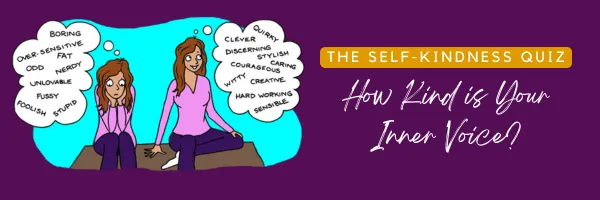
In The Booster Way, we call this the Crusher voice. It is the unkind inner voice that turns a mistake, a hurt or a hard day into proof that something is wrong with us.
Children learn the second arrow from us
Our children are always listening, not only to what we say to them, but to how we speak to ourselves. When we burn the dinner and mutter, "I'm so useless," or rush out of the door saying, "I can't do anything right," they learn that this is how we respond when life gets difficult.
The good news is that they can learn a kinder way too. When we notice our own second arrows and meet ourselves with kindness, we show our children what it looks like to put down the bow.
We can explain it to children very simply. When we add a mean story to an ouch, it becomes a much bigger ouch. But when we meet that ouch with a kind Booster voice, it becomes something we can manage.
Soften, Soothe, Allow: a simple version for children
This week, in our Circles of Practice meditation for grown-ups, we practised Soften, Soothe, Allow. Here is a gentle way to share it with children.
First, invite your child to be an Inner Detective and find where the big feeling lives in their body. It might be in their tummy, their chest or their throat.
Next, they can soften that place by imagining it going soft and floppy, like a cosy teddy bear or warm melted chocolate.
Then, they can soothe it by placing a hand on that spot, taking a Breathing Boost and trying a kind Booster phrase, such as "This is hard, and that's okay," "I'm doing my best," or "Everyone makes mistakes."
Finally, they can allow the feeling to stay for a little while, remembering that feelings are like visitors. They come, and they go.
If your child notices the Crusher voice firing a second arrow, you can gently help them spot it by asking, "That sounds like the Crusher. What would your Booster say instead?"
A practice for you, too
Parents, carers and educators carry so many first arrows of their own, from tiredness and worry to aching bodies and the endless juggle of daily life. If you have been firing second arrows at yourself recently, please know that you are not alone, and that you deserve the same kindness you offer the children in your care.
Kathryn's guided Second Arrow meditation is available here for you to practise whenever you need it:
When we learn to put down our own bow, we teach our children that they can put down theirs too.
#TheBoosterWay #SelfCompassionForKids #MindfulParenting #InnerCritic #KindnessMatters #EmotionalWellbeing #MindfulnessForChildren